Discover the Elegance of Handmade Artistic Creations
- Og _hi
- May 22
- 5 min read

In a world increasingly dominated by mass production and digital designs, the allure of handmade artistic creations stands out like a beacon of authenticity. These unique pieces not only reflect the skill and passion of their creators but also tell stories that resonate with those who appreciate art in its most genuine form. Whether you are an art enthusiast, a collector, or simply someone looking to add a touch of elegance to your space, exploring the realm of handmade artistry can be a rewarding experience.
The Charm of Handmade Art
Handmade art embodies a level of craftsmanship that is often lost in the rapid pace of modern manufacturing. Each piece is a labor of love, meticulously crafted by skilled artisans who pour their heart and soul into their work. This personal touch is what sets handmade creations apart from their mass-produced counterparts.
Unique Characteristics of Handmade Art
Individuality: Every handmade piece is unique, often featuring slight imperfections that add character and charm. This individuality means that no two items are exactly alike.
Quality Materials: Artisans often use high-quality, sustainable materials that enhance the durability and aesthetic appeal of their creations.
Cultural Significance: Many handmade artworks are steeped in cultural traditions, reflecting the history and heritage of the artisan's background.
The Process of Creation
Understanding the process behind handmade art can deepen your appreciation for these creations. Each step, from conception to completion, involves careful planning and execution.
Steps in the Creation Process
Inspiration: Artisans often draw inspiration from nature, personal experiences, or cultural heritage. This initial spark is crucial in shaping the final piece.
Material Selection: Choosing the right materials is essential. Whether it's clay for pottery, wood for sculptures, or fabric for textiles, the quality of materials significantly impacts the final outcome.
Crafting: This is where the magic happens. Techniques vary widely depending on the medium, but each artisan has their own unique methods that contribute to their signature style.
Finishing Touches: After the main creation is complete, artisans often add final touches, such as glazing, painting, or polishing, to enhance the piece's beauty.
Types of Handmade Artistic Creations
The world of handmade art is vast and varied, encompassing a wide range of styles and mediums. Here are some popular categories:
1. Pottery and Ceramics
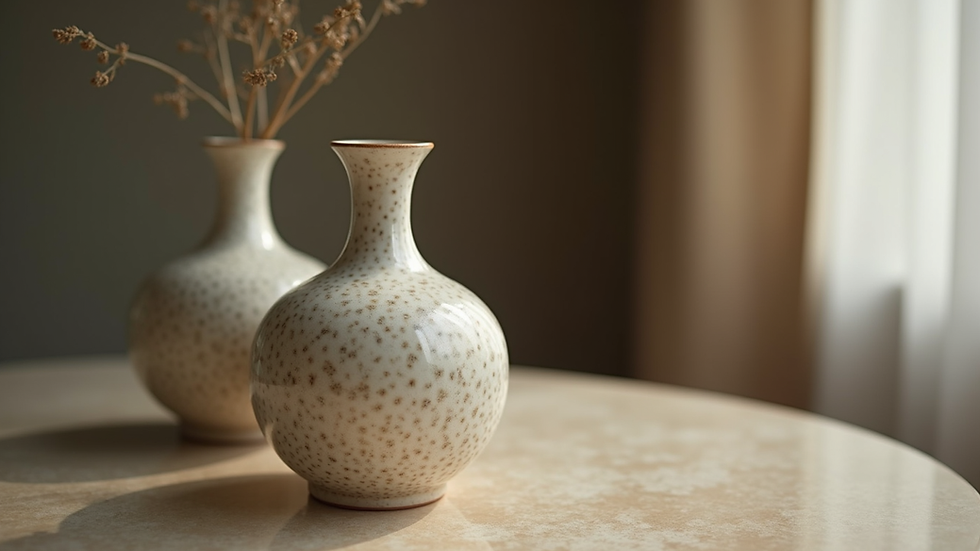
Handmade pottery and ceramics are not only functional but also serve as decorative pieces. From intricately designed bowls to elegant vases, these creations often showcase the artisan's skill in shaping and glazing.
2. Textiles
Handmade textiles, including quilts, tapestries, and woven items, reflect the rich traditions of textile arts. Each piece tells a story through its patterns, colors, and textures.
3. Woodwork
Wooden sculptures, furniture, and decorative items highlight the beauty of natural materials. Artisans often use traditional techniques to create stunning pieces that can last for generations.
4. Jewelry
Handcrafted jewelry pieces are often made with unique materials and designs, making them perfect for those looking to express their individuality. From delicate necklaces to bold statement rings, handmade jewelry can elevate any outfit.
5. Paintings and Illustrations
Original paintings and illustrations offer a glimpse into the artist's vision and creativity. These pieces can transform a space and evoke emotions, making them a popular choice for collectors.
The Impact of Handmade Art on Communities
Supporting handmade artistry goes beyond acquiring beautiful pieces; it also has a positive impact on local communities and economies.
Economic Benefits
Job Creation: Artisans often rely on their craft as a primary source of income, contributing to local economies.
Sustainable Practices: Many artisans prioritize sustainable materials and practices, promoting environmental responsibility.
Cultural Preservation
Handmade art plays a crucial role in preserving cultural heritage. By supporting artisans, we help keep traditional crafts alive and ensure that future generations can appreciate these skills.
How to Choose Handmade Art
When selecting handmade art, consider the following tips to ensure you find pieces that resonate with you:
1. Understand Your Style
Identify your personal style and preferences. Do you lean towards modern minimalism, rustic charm, or vibrant bohemian aesthetics? Knowing your taste will help narrow down your options.
2. Research the Artisan
Learn about the artisan behind the piece. Understanding their background, techniques, and inspirations can enhance your appreciation for the artwork.
3. Consider the Space
Think about where you plan to display the art. The size, color, and style should complement your existing decor.
4. Ask Questions
Don’t hesitate to ask the artisan questions about their process, materials, and inspiration. This interaction can provide valuable insights and deepen your connection to the piece.
Where to Find Handmade Art
Finding handmade artistic creations can be an adventure in itself. Here are some great places to start your search:
1. Local Art Fairs and Markets
Visiting local art fairs and markets allows you to meet artisans in person and see their work up close. This direct interaction can lead to meaningful connections and unique finds.
2. Online Marketplaces
Websites like Etsy and ArtFire specialize in handmade goods, offering a vast selection from artisans around the world. You can browse categories, read reviews, and often communicate directly with the creators.
3. Galleries and Studios
Many artists showcase their work in local galleries or their own studios. Visiting these spaces can provide a deeper understanding of the artist's vision and process.
4. Workshops and Classes
Participating in workshops or classes can introduce you to local artisans and their work. Plus, you might even discover a new hobby!
The Future of Handmade Art
As the world becomes more digital, the demand for handmade art continues to grow. People are increasingly seeking authenticity and connection in their purchases. This trend is likely to encourage more artisans to share their skills and stories, enriching the handmade art community.
Embracing Technology
While handmade art is rooted in tradition, technology can play a role in its future. Artisans can use social media and online platforms to reach wider audiences, share their stories, and sell their creations.
Sustainability and Innovation
The future of handmade art will likely see a greater emphasis on sustainability. Artisans are increasingly using eco-friendly materials and practices, appealing to environmentally conscious consumers.
Conclusion
Exploring the world of handmade artistic creations offers a unique opportunity to connect with art on a personal level. Each piece carries a story, a history, and a touch of the artisan's spirit. By choosing handmade, you not only acquire beautiful art but also support the artisans and communities behind these creations. So, take the plunge into the world of handmade artistry and discover the elegance that awaits you. Whether you’re looking to decorate your home or find the perfect gift, handmade art is sure to leave a lasting impression.


Comments